
Actualités

12 January 2026
The exemption from Taxe sur le Profit Immobilier (TPI) on the main residence is one of the most important mechanisms in real estate taxation in Morocco. Understanding it properly helps you prepare the sale of your home, secure the notarial process and optimise your net real estate capital gain in full compliance with the law.
1. Reminder: TPI and real estate capital gain
TPI (real estate capital gains tax) is due when you sell a property for a price that is higher than its acquisition cost.
In general:
the real estate capital gain is the difference between the sale price and the cost price (purchase price, acquisition costs, eligible renovation works, etc.);
this net gain is, in principle, taxed at a rate of 20% (subject to the current Finance Law).
The sale of the main residence may, however, benefit from a TPI exemption, under certain conditions.
2. When is a property considered a main residence?
To qualify for the exemption, the property must be recognised as the owner’s principal home by the Moroccan tax authorities. In practice, this is the dwelling:
where the owner lives on a regular and effective basis;
where they receive mail and manage their day‑to‑day life;
which is neither a secondary home nor a purely rental investment.
The exact rules (minimum occupation period, special cases, etc.) are set by the Finance Law and may evolve. It is therefore essential to check the conditions applicable at the time of the sale.
3. General conditions for TPI exemption on the main residence
Without going into figures that may change, the underlying logic is stable:
Real and continuous occupation
The exemption targets the seller’s actual home, not a property held purely for speculation. Discontinuous occupation or predominantly rental use can jeopardise the tax advantage.
Minimum occupation / holding period
The law requires a minimum occupation period of the property as a main residence. Once this threshold is met, the gain realised on the sale of the main residence may be exempt from TPI, subject to the other legal conditions.
Only one main residence
An owner may hold several properties, but only one main residence can benefit from the exemption. In the event of an audit, you must be able to prove that the property sold is the one where you actually lived.
4. Documents to prepare for the tax authorities
The TPI exemption on the main residence is not automatic. The tax administration may request concrete evidence, such as:
national identity card or residence permit showing the address of the property;
water, electricity, internet or phone bills in the owner’s name;
residence certificate issued by the local authority or commune;
bank documents, receipts and correspondence sent to this address.
Keeping these documents for several years strengthens your file in the event of a review by the Direction Générale des Impôts.
5. Common mistakes that lead to loss of the exemption
Several situations can result in refusal of the TPI exemption on the main residence:
Renting out the property (fully or almost fully) shortly before the sale, while presenting it as a main residence;
being unable to prove the minimum occupation period required by law;
having official documents (ID card, bills, certificates) showing a different main address;
confusing the purchase date with the actual move‑in date (long renovations, delayed occupation, etc.), which may reduce the recognised occupation period.
Support from a notary or tax adviser generally helps anticipate and avoid these pitfalls.
6. Special cases: expatriates, MRE and foreign owners
For Moroccans Residing Abroad (MRE), dual nationals or foreign owners in Morocco, the key question is the same: proving that the property sold is indeed a main residence in Morocco.
In practice:
a home used only for holidays will hardly be recognised as a main residence;
a property where the owner stays regularly and for extended periods, with consistent documentary proof, may be treated as a main residence, subject to the applicable legal conditions.
For these profiles, it is strongly recommended to seek a tailored opinion before putting the property on the market.
7. Role of the notary and best practices
The notary plays a central role in the application of TPI:
checking eligibility for exemption as a main residence;
collecting supporting documents to be provided to the tax authorities;
preparing the TPI declaration or the exemption clause in the deed of sale.
To secure your transaction:
address the main residence issue several months before the sale;
have your situation reviewed by a professional (notary, chartered accountant, tax adviser) in light of the latest Moroccan tax legislation;
ensure consistency between your actual use of the property, your official documents and what you declare.
A clear understanding of the TPI exemption on the main residence in Morocco will help you maximise your net real estate capital gain while fully complying with Moroccan real estate tax rules.
06 January 2026
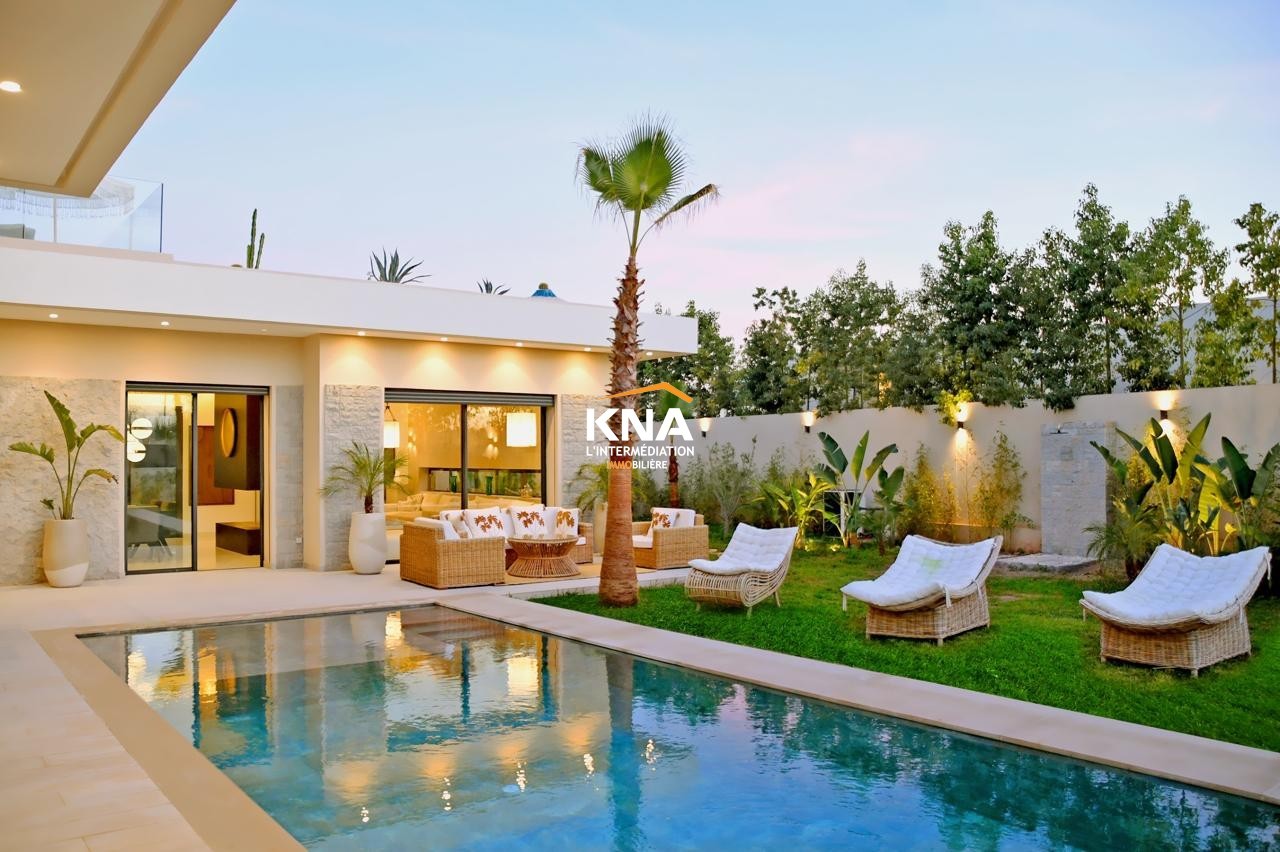
The Moroccan real estate market is entering a phase of “positive but expensive” turbulence. Between major infrastructure works (CAN 2025, World Cup 2030) and eroding purchasing power, 2026 will be a pivotal year.
Goal: help you understand the structural and short‑term drivers of price increases and where to invest without overpaying.
Why Are Real Estate Prices Soaring? (Structural Analysis)
Land scarcity: the real bottleneck
In Casablanca, Rabat and Marrakech, the urban perimeter is almost saturated. Delays in urban development plans (PA, SDAU) prevent new périmètres urbains, villa zones and R+5 buildings from being opened. This creates an artificial shortage of land (foncier), feeding speculation and pushing the land use coefficient (COS) and m² prices higher.
Construction costs: local stability vs imported inflation
Core building materials (cement from local cimenterie, aggregates, shell / gros œuvre) are relatively stable, but finishes (imported tiles, aluminium, HVAC, lifts) are subject to global inflation and exchange rate risk.
“Green property” compliant with new energy and insulation norms costs more to build, but increases standing, rent levels and long‑term resale value.
CAN 2025 & World Cup 2030: a 2026 Price Accelerator
New infrastructure (LGV stations, airports, highways, stadiums, ports and ANP logistics zones) immediately reprice nearby neighbourhoods and suburban areas.
Dakhla and Laâyoune stand out as emerging hubs: infrastructure + still‑affordable land = attractive upside for medium‑term investors.
At the same time, international buyers and MREs are looking for pieds‑à‑terre and rental products (Airbnb Marrakech, gated communities, high‑standing residences), driving up prices in medium and high standing segments.
The State’s Role: Support… and Artificial Bubbles
The “Daam Sakane” direct housing subsidy (for units roughly 300,000–700,000 MAD) boosts demand, including from MREs. When supply of new units (social housing, medium standing) is limited, this aid can unintentionally fuel price rises.
On the tax side, capital gains tax on property (TPI), registration, notary fees, corporate tax (IS) for developer companies, and tax on rental income are the main levers to cool or heat the market.
TPI – simplified logic
Capital gains tax ≈ 20% × (declared sale price – updated purchase cost – eligible fees & works).
If part of the price is paid “off‑the‑record” (Noir), the official figures are lower, but you increase legal and tax risk on resale or mortgage release (mainlevée d’hypothèque).
Market Drifts: “Noir” Practices & 120% Mortgages
Paying a portion in cash “off the deed”:
distorts official statistics (land registry / conservation foncière, Bank Al‑Maghrib index),
weakens the buyer in case of dispute,
complicates calculations for TPI, commercial lease, property management and future refinancing.
Some banks offer up to 110–120% financing (price + notary fees + furniture). This increases total banking interests and the risk of over‑indebtedness, especially for long‑term fixed‑rate loans.
Regional Disparities: Where to Invest (or Avoid) in 2026
Overheated Top 5: Casablanca, Rabat, Marrakech, Tangier, Agadir (strong demand, limited quality supply).
Emerging opportunities: Dakhla, Laâyoune, Kenitra–Salé axis (new infrastructure + urban planning in progress).
Lagging regions: Oriental, Drâa‑Tafilalet (weaker solvable demand, lower rental yields).
Indicative apartment prices (MAD/m², medium standing)
City
2020 approx.
2026 forecast
Casablanca
8,300
10,000–11,000
Rabat
10,500
12,000–13,000
Marrakech
7,000
8,500–9,500
Tangier
6,000
7,500–8,500
Agadir
6,500
8,000–9,000
2026 Outlook: Stabilisation or Bubble?
Scenario A – Bubble extends to 2030: in prime zones (Casablanca centre, seafront Tangier, Airbnb‑driven Marrakech).
Scenario B – Correction: if local purchasing power and credit capacity no longer follow price increases, especially in medium standing.
Expert Opinion & Investor Check‑List
Buy now or wait for 2027?
For long‑term investors (10+ years), 2026 can still be a good entry point in:
infrastructure‑driven cities (Tangier, Kenitra, Dakhla, Laâyoune),
well‑located, energy‑efficient units with solid rental demand.
Smart investor check‑list
Legal: have a notary verify titre foncier, cadastral plan, any mortgage or seizure, and ensure a clean mainlevée at payoff.
Contracts: sign a clear compromis de vente and notarial or acte adoulaire; secure your commercial lease if buying a rental asset.
Finance: simulate fixed‑rate mortgage scenarios; stress‑test rental income; refuse any “Noir” and insist on 100% declared price.
To go further, connect this article with:
“Complete Guide to Rental Investment in Morocco”
“How to Get the Best Mortgage Rate in 2026”
“Top 10 Neighbourhoods to Invest in Tangier”

05 January 2026
Yes, buying your future home in Marrakech in 2026 is not only possible but represents a remarkable strategic opportunity, provided you master the specifics of the Moroccan real estate market and avoid the legal pitfalls that await poorly accompanied buyers.
Whether you're a retiree seeking year-round sunshine, a digital nomad looking for an affordable primary residence at the gateway to Europe, or an investor attracted by the profitability of vacation rentals, Marrakech caters to all these profiles. But between authentic riads in the Medina, luxury villas in the Palmeraie, off-plan VEFA programs on the Fez road, and renovation properties on the Ourika or Amizmiz routes, how do you identify the right neighborhood, secure your purchase, and optimize your real estate investment?
The current excitement is driven by several catalysts: preparation for the 2030 World Cup, the TGV extension, continuous infrastructure improvements (international schools, private clinics, airport), and attractive taxation compared to Europe. Yet behind this appealing facade lie crucial technical realities: the AVNA requirement for agricultural land, the subtleties of land titles, dirham convertibility management, and post-2023 seismic standards.
This comprehensive guide provides all the keys to successful purchase: detailed neighborhood mapping by lifestyle, new vs. resale comparison with their respective advantages, step-by-step legal process breakdown, financing and monetization strategies via Airbnb, and above all, an actionable checklist to sign with peace of mind. Whether you're targeting a secondary residence with heated pool in a gated community or a riad with strong rental potential, here's everything you need to know to turn your project into reality.
Why is Marrakech One of the Best Real Estate Destinations in 2026?
An Exceptional Lifestyle at Europe's Doorstep
Year-round sunshine is one of the main selling points: over 300 days of sunshine, mild winters (15-20°C) perfect for escaping European gloom. This "inverted seasonality" particularly attracts retirees and digital nomads seeking quality of life.
Infrastructure now rivals international standards: cutting-edge private clinics (Al Madina Clinic, Clinique du Soleil), international schools (AMIR, George Washington Academy), prestigious golf courses, and an international airport with daily connections to European capitals.
The "Morocco 2030" Effect: Accelerated Economic Momentum
Co-hosting the 2030 World Cup catalyzes massive investments: infrastructure modernization, planned TGV extension toward Marrakech-Agadir, highway network improvements. These major projects mechanically increase land value, particularly on strategic routes (Fez road, Casablanca road).
However, distinguish speculation from reality: short-term gains (2-3 years) remain moderate, but prospects toward 2030-2035 are promising, especially for well-located properties with competitive price-to-quality ratios.
Attractive Taxation and Cost of Living
The Franco-Moroccan tax treaty avoids double taxation for tax residents. Cost of living remains 30-40% lower than Western Europe: affordable domestic services (guard, cook, gardener), controlled current expenses. Enough to largely offset initial acquisition costs.
Where to Buy Your Future Home in Marrakech? Neighborhood Mapping
The Medina: For History Lovers and Rental Profitability
Target audience: Vacation rental investors and charming secondary residence buyers.
Authentic riads (€2,000-5,000/m², approximately depending on renovation level) offer exceptional rental potential on Airbnb, especially during events (Film Festival, Marrakech du Rire). The unique historical atmosphere and proximity to souks attract high-end international clientele.
Drawbacks: Difficult car access (narrow streets), lack of private outdoor spaces, complex management for primary residence with children.
Hivernage and Gueliz: Chic Urban Living
Target audience: Primary residence or city pied-à-terre for professionals and remote workers.
These historic neighborhoods mainly offer high-end apartments (€3,000-4,500/m² approximately) with shops, restaurants, and nightlife in immediate proximity. Fiber optic is generally available, an essential criterion for digital nomads.
The Palmeraie and Golden Triangle: Iconic Luxury
Target audience: High budgets (>€1M approximately) seeking prestige and large spaces.
Luxury villas on vast tree-lined plots (2,000-10,000m² approximately), gated communities with premium services (golf, spa, restaurants). Heated pools and high-end facilities are standard. Ideal for luxurious secondary residence or wealth investment.
The "Routes" (Ourika, Amizmiz, Fez, Ouarzazate): Space and Nature
The most dynamic areas for families.
Route de l'Ourika: Spectacular Atlas views, green setting, attractive prices (€1,500-3,000/m² approximately). Strong rental demand for villas with pools.
Route d'Amizmiz: Concentration of golf estates (Samanah, Assoufid), international clientele, excellent medium-term appreciation.
Route de Fès / Targa: More residential, proximity to international schools, favored by expatriates and affluent Moroccan families.
Crucial point: For foreigners buying outside urban perimeter, AVNA (Non-Agricultural Vocation Certificate) is mandatory. This administrative authorization confirms the land is no longer classified as agricultural. Without it, the sale is legally void. Your real estate agency must verify this beforehand.
What Type of Property to Choose: Off-Plan Villa (VEFA) or Resale?
Buying Off-Plan (VEFA): Opportunity or Risk?
Advantages: Price 15-25% below market, customization of finishes, reduced notary fees, staggered payments (10% reservation, then installments according to progress).
Major risks: Frequent delivery delays (6-18 months), developer bankruptcy risk (check track record), finishes not matching promises. Blocking point: Absence of individual land title until delivery prevents any bank loan and mortgage.
Expert advice: Require completion guarantee (insurance policy), visit other developer projects, and reserve 10-15% of budget for missing finishes.
Buying Resale: Safety First
Advantages: Immediate visibility (no surprises), available land title enabling bank credit, rental exploitation upon signing, mature garden and tested equipment.
Vigilance points: Structural condition (often improvable thermal insulation), technical installations to verify (pool, septic tank, well), price per m² generally 20-30% higher.
Post-2023 earthquake: Even though Marrakech was little affected, systematically have structure verified by construction expert, especially for buildings predating RPS 2011 seismic standards.
Riad, Detached Villa, or Villa in Gated Community?
Villa in gated community: 24/7 security, shared maintenance (pool, green spaces), co-ownership charges (€150-400/month approximately), expat community, ideal primary residence.
Detached villa: Total privacy, no charges, but 100% maintenance responsibility (guard essential), geographical isolation.
Riad: Unique charm, maximum rental profitability, but constraining daily life (parking, medina noise).
The Buying Process in Morocco: Legal and Administrative Steps
Legal Prerequisites for Foreigners
Good news: No special permit required to buy in urban areas. Only restriction: agricultural land requires AVNA, issued by Ministry of Interior (2-6 month delay).
Purchase structure: Own name (simple, easier resale) vs Moroccan company SCI/SARL (tax optimization for intensive furnished rentals, but more complex).
The 4 Key Transaction Steps
Offer and reservation: Price negotiation, scope definition (furnished/unfurnished?), 5-10% reservation generally non-refundable.
Preliminary sales agreement: Mandatory signing before Moroccan notary, 10-30% deposit. Notary verifies land title validity at Land Registry (French cadastre equivalent).
Fund transfer: Crucial: Transfer all funds through Moroccan bank with exchange certificate. This traceability guarantees "retransfer right" upon resale (capital + capital gain repatriation).
Final deed: Balance payment, authentic deed signature, Land Registry registration (2-4 week delay). You then receive your final land title.
Additional Fees and Overall Budget
Beyond displayed price, plan 7-8% additional:
Registration fees: ~4%
Land Registry: ~1.5% + fixed fees
Notary fees: ~1%
Real estate agency fees: 2.5-5% excl. tax (generally seller, but negotiable)
Concrete example: €500,000 villa = plan €535,000-540,000 total budget.
Financing Your Purchase: Credit and Currency Transfer
Obtaining Mortgage in Morocco as Foreigner
2025 conditions: Minimum 30-40% down payment, 5-7% rate (varies by bank), max 15-20 year term, foreign income accepted by international banks (BMCE, Attijariwafa, CIH).
Resident vs non-resident difference: Moroccan tax residents get slightly better conditions (rate -0.5 to 1%).
Exchange Office and Convertibility
Major pain point: Moroccan dirham is not freely convertible. To repatriate your capital + capital gain upon resale, all fund entries must be declared via exchange certificate issued by your Moroccan bank. Keep these documents carefully throughout property ownership.
Monetizing Your Investment: Vacation Rentals
Rental Potential in Marrakech
Key figures: 50-70% occupancy rate depending on location, €80-400 nightly rate depending on quality. Recurring events (Film Festival, golf competitions, conferences) generate demand spikes at premium rates.
High-performing areas: Medina riads (6-9% yield), Ourika road villas with pool (5-8% yield), Gueliz apartments (4-6% yield).
Airbnb Regulation in Morocco: What You Need to Know
Legality: Mandatory declaration to Ministry of Tourism, recommended tourist classification. Mandatory police form for each traveler (electronic transmission via approved platforms).
Rental taxation: Rental income taxable (IR: progressive scale or 20% withholding tax after 40% deduction). Advice: hire local accountant.
Property Management: Delegate to Earn More?
Professional concierges: Manage 24/7 check-in, cleaning, pool maintenance, traveler relations. 20-30% commission on turnover, but optimize occupancy rate and positive reviews.
Differentiating asset: Offering high-end services (cook, driver, resident guard) justifies premium rates (+30-50%) and builds international clientele loyalty.
Ultimate Checklist Before Signing
-> Land Title: Verify authenticity at Land Registry, absence of mortgages or easements.
-> Urban compliance: Up-to-date cadastral plans? Undeclared extensions regularizable?
-> Water and Electricity: Official ONEE connection or well? Crucial with current water stress: wells authorized only with Hydraulic Basin Agency declaration.
-> Pool: Regulatory volume? Functional filtration system? Pool heating budget (€600-1,200/year gas).
-> Neighborhood: Future construction projects (nuisances, view loss)? Consult municipal urban plans.
-> Fiber optic: Actual availability (test speed) essential for remote workers.
-> Co-ownership: Syndicate financial status, voted unprovisionned works?
Conclusion: Marrakech, a Winning Bet for the Future
Buying your future home in Marrakech in 2026 combines exceptional quality of life, advantageous taxation, and solid appreciation prospects toward 2030. Year-round sunshine, modern infrastructure, and European proximity make it a choice destination for primary residence, secondary residence, or rental investment.
Keys to success: Choose your neighborhood well according to your profile, secure legally through competent notary, anticipate hidden costs (water, maintenance, local taxes), and for investors, delegate property management to seasoned professionals.
Ready to realize your project? Contact our real estate agency for personalized property hunting, borrowing capacity estimate, or visit our turnkey villas with pools in Marrakech's most sought-after gated communities.

19 December 2025
PLF 2026: Why Buying in Marrakech Has Never Been Safer?
Uncertainty is an investor's worst enemy. In the past, a property purchase in Marrakech could sometimes reveal, months later, unpaid housing taxes by the former owner or cadastral compliance issues.
The PLF 2026 ends these risks. By requiring the production of a full tax clearance certificate and a perfect legal file before the transaction even takes place, the law shifts the burden of proof onto the seller. For you, the buyer, this means one thing: absolute transparency.
The End of Nasty Surprises for Investors
This is the great revolution of this text: you are no longer buying "as is" legally; you are buying a "certified compliant" property.
Concretely, the notary will no longer be able to validate a sale if the property carries fiscal arrears (TNB, TSC, TPI). The State now acts as a guarantor of the file's cleanliness. You are buying a villa, not the previous owner's debts.
This requirement for transparency demands a specific effort from current owners. If you are on the other side of the fence and wish to understand your new obligations to sell your asset, consult our detailed article:
2026 Finance Bill: What Impact Will It Have on Your Property Sale?
A Streamlined and "Europeanized" Acquisition Process
Some fear that these new standards will slow down the market. This is short-term thinking. In reality, the PLF 2026 aligns Moroccan real estate standards with European standards.
Time saved at the signature: Since everything must be ready upfront, the phase between the preliminary agreement and the final deed will be much smoother, avoiding the last-minute blockages that were frequent in the past.
Guarantee of ownership: You take possession of an administratively healthy property, which facilitates your subsequent steps (utility connections, potential renovations, future resale).
Our Advice for Your Investment in 2026
Do not listen to the rumors speaking of "complexity." This complexity is managed by the seller, not by you. For the buyer, the PLF 2026 is royal protection.
However, ensure you work with an expert agency that knows how to verify that the "seller file" is indeed complete from the very first visit. This will save you from falling in love with a villa that cannot be sold due to a lack of regularization.
Conclusion: The Green Light to Invest
The Marrakech real estate market is reaching maturity. With the PLF 2026, buying a holiday home or a rental property now offers the same level of legal security as an investment in Paris or London, with the added bonus of the gentle lifestyle.
Are you looking for a secure opportunity? Contact us to discover our villas where compliance has already been verified.

15 December 2025
2026 Finance Bill: The End of the "Wild West" for Real Estate Sales in Marrakech?
The real estate buzz in Marrakech is at a turning point. While the "Red City" has long attracted investors with its charm and opportunities, it has also occasionally suffered from an administrative framework considered too lenient by international standards. The arrival of the 2026 Finance Bill (PLF 2026) is changing the game. This new legislation, which is generating a lot of ink, now imposes strict standards before any transaction can take place. Should you be worried or delighted? For owners of prestigious properties, the answer is far from what you might expect.
We read a lot of anxiety-inducing headlines about the 2026 Finance Bill. Many owners fear that the new administrative requirements, particularly the obligation to provide a full tax clearance certificate before any preliminary agreement, will slow down their real estate sale project in Marrakech. Some see it as excessive bureaucratic burden, or even a major obstacle that could stall market momentum.
I see the exact opposite. Far from being a brake, it is a crucial step towards market maturity.
Necessary Transparency for the Luxury Market
For us, as experts in exceptional villas, this reform is excellent news. By imposing strict fiscal regularity upstream of the transaction, the law acts as a powerful quality filter.
Until now, a property sale in Marrakech could fail in extremis at the notary's office due to approximate legal files: poorly anticipated TPI (Tax on Real Estate Profits), unpaid local taxes (TSC, TNB), or non-compliant plans. This "hazy informality" benefited no one and created a climate of mistrust. With the 2026 Finance Bill, transparency is no longer an option; it is an absolute prerequisite.
Greater Security for Buyers and Sellers
Concretely, this administrative rigor brings two major advantages that clean up the market:
Security for the Buyer: Acquiring a villa in Marrakech becomes as safe as a transaction in Europe or the US. The investor knows that the property is administratively "clean" even before signing the preliminary agreement. This is a huge reassurance factor.
Valorization for the Seller: By preparing your property sale in Marrakech with perfectly compliant files, you instantly stand out. You eliminate competition from "problematic" or "risky" properties, which will now struggle to find buyers.
Our Advice for a Successful Transaction in 2026
This law may indeed extend the preparation phase of your file by a few days; that is a fact. But in return, it will significantly shorten the time to final signature and eliminate the risk of withdrawal due to administrative surprises.
True luxury is peace of mind. Do not fear administrative rigor. If you are planning to sell, view these new rules as your best insurance against future litigation and endless negotiations.
Conclusion: Towards a Market of Excellence
Ultimately, the 2026 Finance Bill should not be seen as a constraint, but as a seal of quality for your asset. By clearing the market of its uncertainties, this law favors serious owners and exceptional properties.
Do you wish to sell your villa in this new context? Don't let the paperwork paralyze you. Anticipate these steps now to turn this legal obligation into a real commercial asset for your sale.

08 December 2025
Top 5 Types of Villas to Buy in Marrakech for Year-End 2025
Sale Villa Marrakech: The December 2025 Opportunity
December 2025 marks a strategic turning point for sale villa Marrakech in the luxury segment. As the end of the fiscal year approaches and sellers seek to close their budgets, we at KNa Agency are witnessing an exceptional window of opportunity. The market is already preparing for the spring 2026 high season, and savvy buyers can now secure the best properties before the January price surge.
In this context, we have identified 5 types of villas that represent the most judicious investments for this year-end. Each responds to a precise wealth-building strategy and to growing rental or residential demand on the sale villa Marrakech market.
Type 1: The "Guest-House Ready" Villa – Ourika Road
The segment of villas designed for Luxury Airbnb continues to dominate sale villa Marrakech. On the Ourika road, these 5 to 6-bedroom properties with pools offer exceptional rental returns, particularly sought after by high-end international clientele.
For 2026, the differentiating element will be the heated pool. Travelers from January to March actively seek this comfort, and this feature can increase your occupancy rate by 40%. We recommend properties between 3 and 5 million dirhams, located within 25 minutes maximum from the city center.
Compared to sale apartment Marrakech in hotel residences, sale villa Marrakech offers superior profitability and total control over your rental management.
Type 2: The Secured "Golf Front" Villa
Secured golf residences such as Amelkis or Prestigia Golf City represent a growing share of sale villa Marrakech. These properties attract stable clientele: European retirees and expat families. In 2025, security and included services (24/7 security, landscaping maintenance) have become non-negotiable criteria.
These 300 to 500 m² villas sell between 4 and 8 million dirhams and benefit from exceptional liquidity. Their asset value is stable, with an average appreciation of 5% per year. For investors seeking a hassle-free second home, this is the ideal option.
Type 3: The "Beldi-Chic" Country Riad
The "Slow Living" trend is transforming the periphery and strongly influencing sale villa Marrakech. Twenty minutes from the center, modernized country riads appeal to clientele seeking authenticity and tranquility. These 4 to 5-bedroom properties, with traditional pools and tree-filled gardens, embody discreet Moroccan luxury.
Warning: Modern comfort is essential. We favor properties equipped with fiber optic internet, efficient thermal insulation, and central heating systems. Without these amenities, resale will be complicated from 2026 onward. Budget: 2.5 to 4.5 million dirhams.
Type 4:The Renovation Villa for Added Value
For experienced investors, the Targa neighborhoods and the old Palmeraie offer the best opportunities for sale villa Marrakech to renovate. The strategy is simple: buy between 1.5 and 2.5 million dirhams, invest 800,000 to 1.2 million in architectural renovation, and resell or rent with a minimum 30% capital gain.
The year-end market is full of these opportunities: sellers in a hurry, estates, expats returning home. We support our clients with a network of trusted architects and contractors to secure timelines and budgets. If you're hesitating between a villa to renovate and a turnkey sale apartment Marrakech, know that sale villa Marrakech offers far superior customization and profitability potential.
Type 5: The Compact Contemporary Villa – Near Center
The market's most rare and liquid product: the contemporary villa of 250 to 350 m², located near Victor Hugo school or Hivernage. These properties represent the premium segment of sale villa Marrakech and attract urban professionals, young entrepreneurs, and affluent Moroccan families.
With 3 to 4 bedrooms, sleek architecture, and high-end finishes, these villas sell within weeks. Budget: 4 to 6 million dirhams. They represent a safe investment, with constant demand and regular appreciation. With limited stock, December 2025 is the time to act on sale villa Marrakech.
Sale Villa Marrakech: Don't Miss Year-End Opportunities
The sale villa Marrakech market in the luxury segment offers a perfect alignment today: motivated sellers, preparation for the 2026 season, and advantageous tax arrangements to close before December 31st. Whether you're targeting rental profitability, a second home, or capital appreciation, these 5 types of villas represent the best investments of the moment.
For our international clients, KNa Agency offers comprehensive support in English, including legal and tax aspects of your real estate project. We also assist with various property types including sale apartment Marrakech for those considering alternatives.

01 December 2025
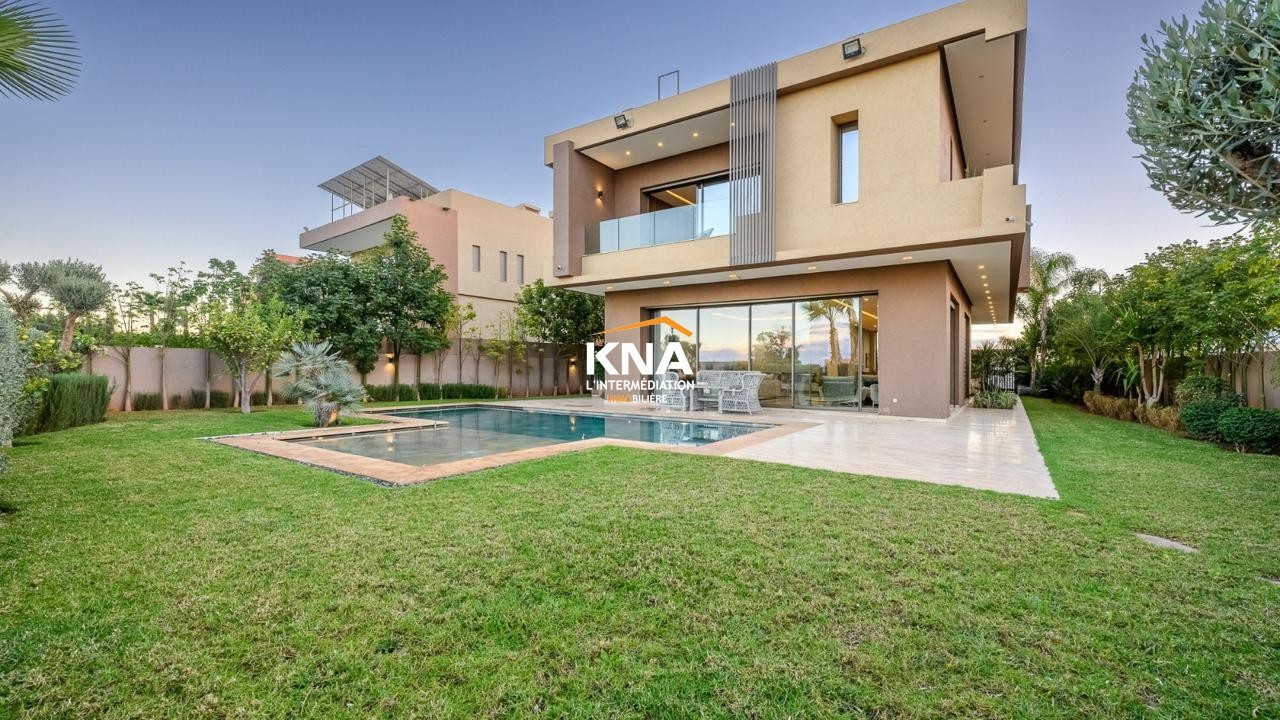
The real estate market in the Red City is buzzing. According to field analyses by KNA Agency, the apartment price Marrakech is experiencing dynamic growth this year, driven by unprecedented tourism and rental demand.
For investors or future residents, now is the time to act. Here is why following our agency's expertise is crucial for your project's success:
Identify neighborhoods with the highest rental yields.
Access "off-market" properties at the fair price.
Avoid properties that are overpriced compared to the real market.
What Influences Property Value?
Beyond the address, several criteria define the fair price. Our role is to find the hidden gems for you.
Standing and Residence Quality
A residence with a swimming pool, well-maintained gardens, and efficient management will always rent for a higher price. This is a key factor we monitor for every sale apartment Marrakech listing we select for our clients.
Floor and Orientation
The apartment price Marrakech rises for top floors with clear views (Atlas Mountains or Koutoubia). South-facing orientation is a major asset for winter brightness, highly sought after by European tenants.
Price per Sqm Barometer (Agency Selection 2025)
The market is segmented. Here are the price ranges observed by our agents:
1. The Vibrant City Center (Gueliz)
The beating heart of the city, ideal for rental investment (Airbnb).
Renovated Old Build: Around 14,000 MAD/sqm.
Premium New Builds: Can reach 24,000 MAD/sqm.
2. The Prestigious Hivernage
Luxury par excellence. Here, the apartment price Marrakech often exceeds 25,000 MAD/sqm. It is a secure heritage investment.
Smart Investing with KNa
The market has its traps. Our agents don't just visit; they audit the potential of every property. If you are looking for a sale apartment Marrakech opportunity, prioritize properties with clear titles and located in well-managed condominiums to guarantee your Return on Investment (ROI).
Conclusion
The apartment price Marrakech in 2025 still offers superb opportunities for those who are well-advised. Don't miss out on the perfect property. Contact KNa Agency today to schedule your visits.
24 November 2025
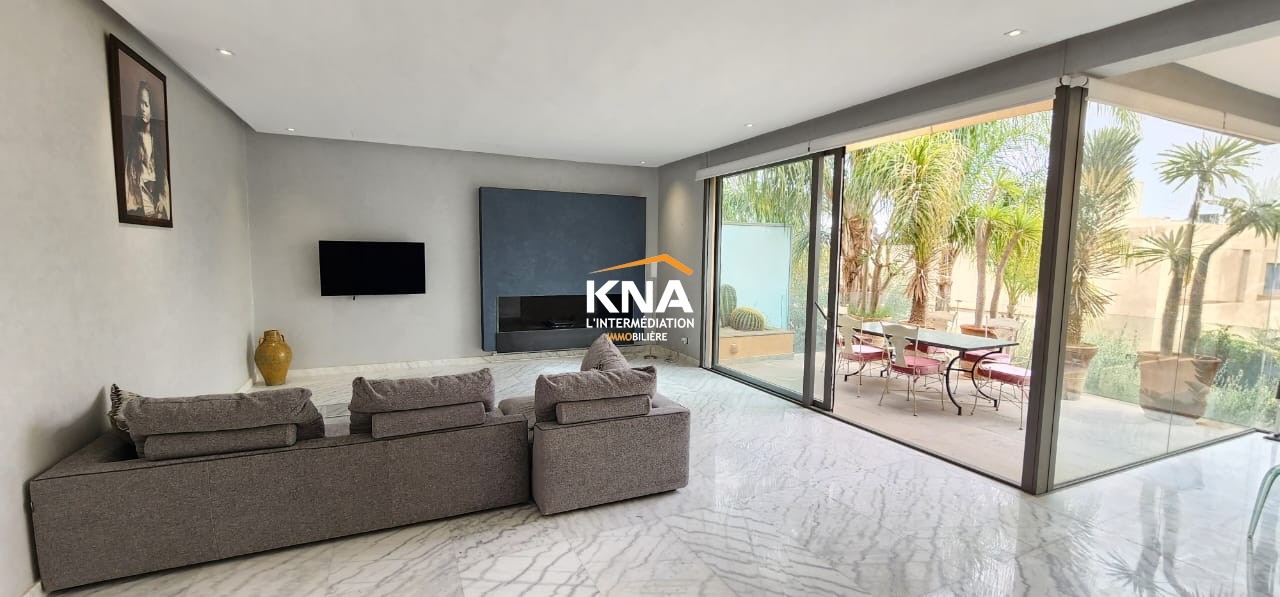
In 2025, land prices in Marrakech range on average from around 800 MAD/m² in peripheral areas (Route de Fès, Ourika) to over 6,000 MAD/m² in prestigious neighborhoods like Hivernage or Palmeraie. The value depends heavily on the type of property: undeveloped land is significantly cheaper than a fully serviced plot ready for construction in a secured golf estate.
With the market heating up ahead of major sporting events, here’s a detailed analysis to help you make a smart investment, whether your goal is building from scratch, semi-finished construction, or purchasing an existing villa.
3 Key Criteria Before Discussing Price
Before analyzing rates, three factors determine your real estate investment in Morocco:
Land Title: A titled land plot in Marrakech (registered with the Land Registry) is the only solid legal guarantee. Avoid unregistered Melkias (adoul deeds) to prevent lengthy disputes.
VNA Status for Foreigners: Since 2023, foreign buyers must ensure the land is in a Zone Non Agricole (VNA). Verify this before signing any preliminary sale agreements to avoid notarization blocks.
Permits and Approvals: Urban planning, construction permits, and utility connections (water RADEEMA, electricity) are essential. Land without these can remain tied up in procedures for years.
2025 Price Barometer by Area
Palmeraie / Hivernage
These areas are prime for high-end villa sales in Marrakech. Land prices can reach 3,500 - 6,000+ MAD/m². The scarcity of plots makes self-construction potentially more profitable than buying overpriced existing properties.
Golf Estates (Amelkis, Atlas)
For turnkey villa buyers, golf domains are attractive, but purchasing land and building yourself can save 20–30% compared to a finished property. Serviced plots are negotiated between 2,500 and 4,500 MAD/m².
Route de l’Ourika: 800 - 1,800 MAD/m²
This area offers more affordable land with large plots and Atlas views. Always check for flood zones before purchasing.
Route de Fès / Near the Stadium: 600 - 1,200 MAD/m²
The 2025 outsider. With the new Stade Adrar (CAN 2025) and improved road infrastructure, speculation is rising. Plots start below 1,000 MAD/m² for parcels over 3,000 m².
Expert note: High short-term risk but potential +30% increase by 2027 according to market projections.
Construction Budget: Don’t Underestimate
In addition to land costs, construction expenses are significant:
Structural work only: 1,500 - 2,000 MAD/m²
Standard finish: 3,500 - 5,000 MAD/m²
Luxury finish: 8,000 - 12,000+ MAD/m²
A luxury villa in Marrakech can cost 2–3 times the land price for a high-end property.
Common Pitfalls: Unregistered architects (no insurance), ghost contractors, cost overruns of +40%. Always check references.
Secure Your Purchase with an Expert
The Marrakech land market is complex: double sales, unclear boundaries, hidden easements. A poorly prepared file can cost years in legal disputes.
Our land hunting service (real estate agency Marrakech) includes:
Full legal verification (Land Registry, PLU)
Price negotiation (average savings: 8–12%)
Notarial and banking follow-up until the final deed
Request your free land audit within 48 hours for any villa project.
Sources:
Bank Al-Maghrib (BAM): Real Estate Asset Price Index Q4 2024
Mubawab: Annual Marrakech Land Market Report 2024-2025
L'Economiste: “Immobilier Marrakech: The Rush for Peripheral Lands” (January 2025)
19 November 2025
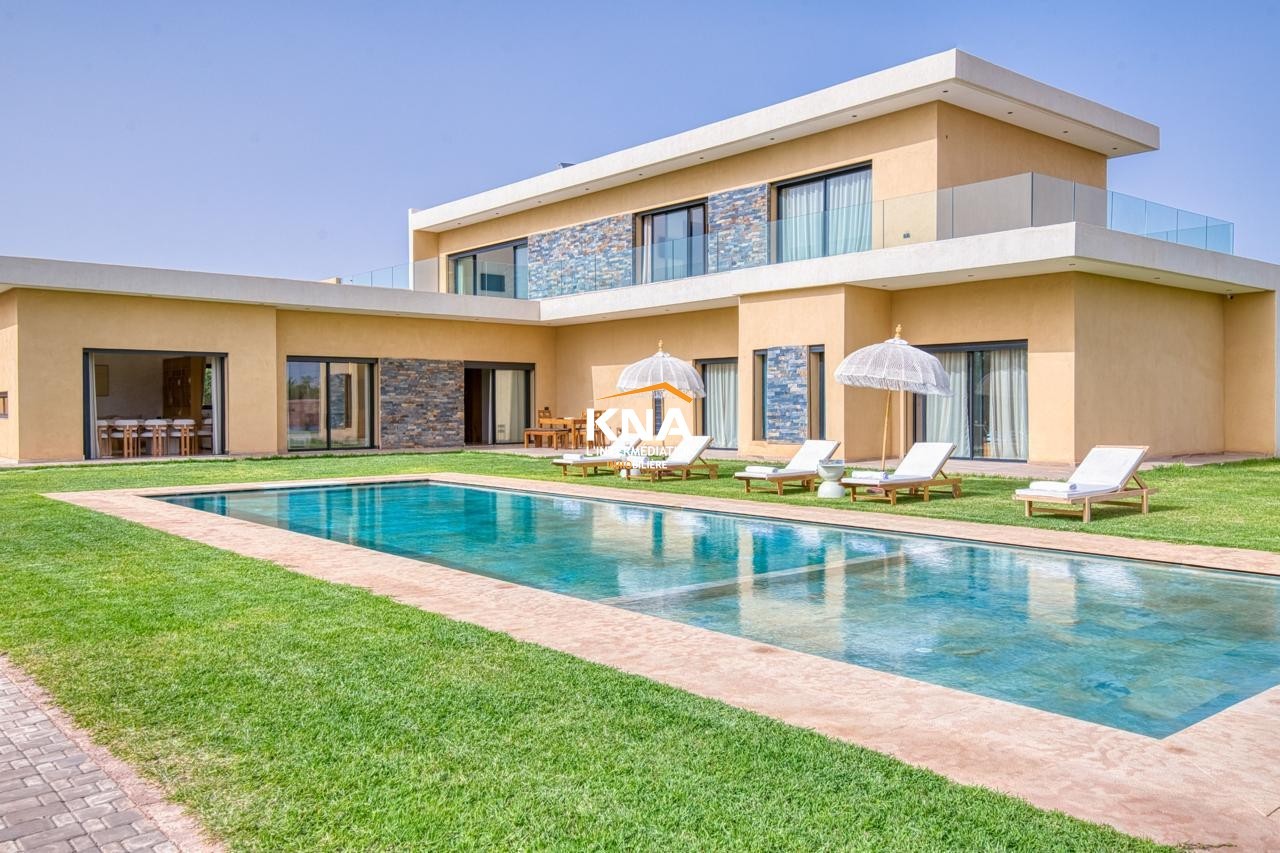
Real estate investment, combining high rental profitability with exceptional quality of life. Whether you're looking for a primary residence or a rental property, this guide accompanies you through all the essential steps of your project. For a complete overview of Marrakech's real estate market, also discover our comprehensive guide to buying a villa in Marrakech.
Define Your Objectives and Budget Before Buying an Apartment in Marrakech
Before diving in, clarify your intentions: are you buying to live there year-round, to invest in seasonal rentals, or to build assets? Each objective influences your selection criteria. A rental investment will favor tourist areas like Hivernage or the Medina, while a primary residence will lean toward Guéliz or Agdal, which are more residential.
Establishing a realistic budget is essential. Prices vary considerably by area: an apartment for sale in Marrakech Guéliz will generally cost more than a property in Targa or Ménara. Also budget for additional fees (notary, agency, registration taxes) which represent approximately 5 to 7% of the purchase price. If you're considering bank financing, consult several institutions to compare mortgage conditions.
Where to Find an Apartment for Sale in Marrakech?
Several channels are available for your search. Online real estate portals provide an initial point of contact, allowing you to filter by neighborhood, price, and surface area. You'll find listings for new apartments in Marrakech or resale properties.
However, working with a real estate agency in Marrakech offers significant advantages. Local professionals know the market perfectly, often have a portfolio of exclusive properties, and can assist you with all administrative procedures. They also provide effective mediation with sellers and save you valuable time in your search.
Don't hesitate to vary your searches: look for terms like "apartment for sale in Marrakech Guéliz," "real estate investment Marrakech," or "apartment with terrace Marrakech" to broaden your results.
Precautions to Take Before Buying an Apartment in Marrakech
Vigilance is essential with any real estate purchase. Systematically require verification of legal documents: property title (titre foncier or melk), building permit, certificates of compliance, and absence of debts or mortgages. A notary will verify these elements during the transaction, but prior verification avoids unpleasant surprises.
A physical visit remains essential. Carefully inspect the general condition of the property, its orientation (favor bright exposures), sound and thermal insulation, as well as common areas. Inquire about monthly condominium fees and their recent evolution.
To avoid real estate scams in Marrakech, beware of offers that seem too good to be true, never make any payment without consulting a notary, and always prioritize official transactions with proper contracts.
How to Choose Your Apartment in Marrakech: Our Practical Advice
Evaluating value for money requires thorough comparison with similar properties in the area. For a rental investment, calculate potential profitability by researching practiced rental rates and occupancy rates according to seasons.
The choice of neighborhood largely determines your project's success. Guéliz and Hivernage offer a cosmopolitan atmosphere and high-end services, Agdal appeals to families with its residential calm, while the Medina attracts lovers of authenticity. For seasonal rentals, prioritize proximity to tourist attractions and amenities.
Remember that buying an apartment in Marrakech fits into a global vision of the local real estate market. To explore further, also consult our article dedicated to buying a villa in Marrakech and refine your investment strategy. With the right advice for buying an apartment in Marrakech and professional support, your project will quickly become reality.
11 November 2025
Buying a villa in Marrakech is much more than a simple real estate investment: it is the acquisition of a unique lifestyle. The search phase is the most decisive step of your project. In a city where the market offers exceptional diversity, from contemporary villas with Atlas views to traditional riads, knowing how to search makes all the difference. Discover our exclusive selection of villas for sale in Marrakech to start your project on the right foot.
Define Your Budget and Criteria Before Buying a Villa in Marrakech
The first rule for finding the ideal property is to establish a realistic financial framework. Prices vary considerably depending on the neighborhood: Palmeraie, Route de l'Ourika, Targa, or Agdal all offer different price ranges and architectural styles. Studying local market trends will help you identify the areas that match your budget.
Beyond the numbers, list your priorities: contemporary or "Beldi" style? Is a heated pool essential? Land surface? A view of the Atlas Mountains? These criteria will effectively guide your search for a villa for sale Marrakech. Also, prepare your financing file in advance to be ready when you find your dream home.
Where and How to Search for a Villa for Sale in Marrakech?
Best Real Estate Search Channels
To buy a villa under the best conditions, several channels are available to you. Specialized real estate agencies intimately know the best sectors and often have access to "Off-Market" properties (unlisted homes). A trusted agency, such as Agence KNA, will secure your entire process.
Online real estate portals are useful for comparing prices, but a personal network and the expertise of a local agent remain the best ways to find opportunities before they hit the official market.
How to Avoid Real Estate Scams in Marrakech
Legal security is the cornerstone of a successful purchase. Systematically verify the authenticity of property titles (Land Title) with the Land Registry. Demand full compliance of all documents: building permits, habitation permits, and for foreigners buying in rural areas, the VNA (Non-Agricultural Status).
The intervention of a notary is mandatory to legally secure your transaction in Morocco. Beware of offers that seem too good to be true: an unusually low price often hides defects or administrative issues. To secure your project from A to Z, consult our complete guide to buying property in Morocco for foreigners.
Efficiently Organizing Your Visits Before Buying
A structured visit allows you to objectively compare properties. Establish a rigorous checklist: condition of the roof, electrical installations, plumbing, thermal insulation, and sun exposure (crucial for the Marrakech climate). Visit at different times of the day to evaluate noise levels and brightness.
Evaluate the real value by cross-referencing the price per square meter, the general condition of the property, and potential renovation costs. Do not hesitate to seek professional expertise for high-end properties.
Finding the Ideal Villa in Marrakech: Our Expert Advice
The choice of neighborhood will determine your quality of life and the resale value of your property:
The legendary address for those seeking exclusivity, tranquility, and vast lush gardens.
The Targa Neighborhood: Highly popular with families for its authenticity, calm, and proximity to international schools.
Agdal: Ideal for those who wish to stay close to the city center, Boulevard Mohammed VI, and its vibrant atmosphere.
FAQ: Your Questions About Buying a Villa in Marrakech
1. Can a foreigner own property in Marrakech?
Yes, foreigners are allowed to buy property in Morocco with full ownership. Special attention must be paid to the VNA for villas located outside urban perimeters.
2. What additional costs should I expect when buying?
Plan for approximately 6% to 7% of the sale price to cover registration fees, land conservation, and notary fees.
3. What is a titled villa?
It is a property registered with the Land Registry. This is the only absolute legal guarantee of ownership in Morocco.
Conclusion
Buying a villa in Marrakech begins with a methodical search. By clearly defining your budget, staying vigilant regarding legal documentation, and organizing structured visits, you maximize your chances of success. Support from a local expert like Agence KNA remains your best asset to turn your real estate dream into reality with complete peace of mind.
About the Author: This article was written by the expert team at Agence KNA, specialists in the Marrakech real estate market. With extensive field experience, we assist our clients in acquiring prestigious villas, from property selection to the final signature at the notary.